Dimensional Fit
Matching desk, chair, and screen heights to individual proportions for neutral positioning during seated work.
We publish general educational guidance on workspace layout, furniture placement, and environmental design for comfortable sitting and standing routines at work. This site does not provide medical or therapeutic services.
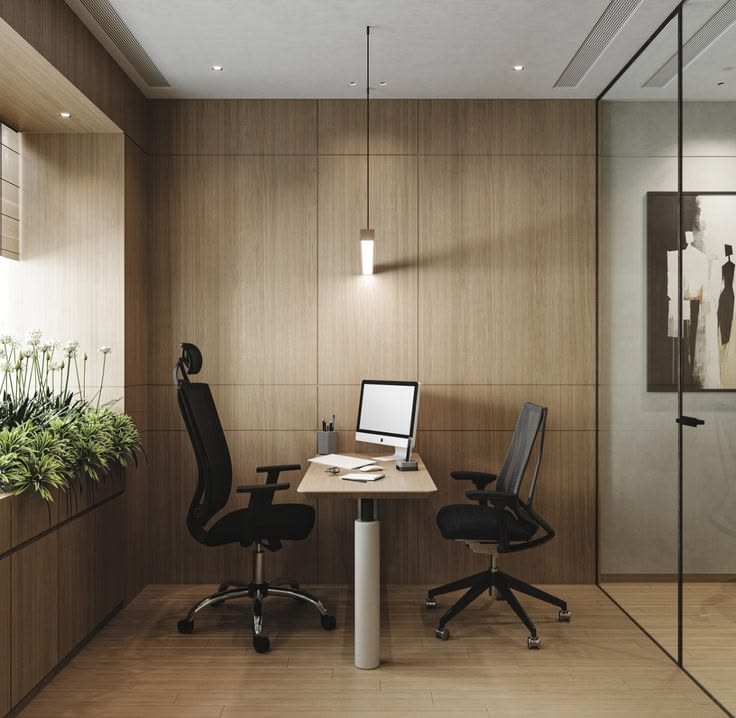
Most posture discussions focus on individual habits. We begin with the architecture of the space itself — desk height, monitor distance, chair support, and traffic flow — because environment shapes behavior long before conscious effort enters the picture.
This approach draws from spatial design principles and occupational ergonomics literature. We translate those concepts into practical, non-clinical recommendations you can apply at home or in shared offices.
Spatial Mapping
Document how you move through your workspace across a typical day.
Support Layer Design
Identify furniture and surfaces that match your body dimensions.
Habit Integration
Build micro-routines that align with your redesigned environment.
Iterative Review
Revisit layout decisions as seasons, tasks, or equipment change.
A four-pillar system for evaluating how physical environments influence daily positioning habits. Each pillar addresses a distinct layer of workspace design.
Matching desk, chair, and screen heights to individual proportions for neutral positioning during seated work.
Lighting angles, glare reduction, and monitor placement that may limit unnecessary head and neck turning during screen work.
Clear routes between desk, storage, and rest areas that encourage periodic position changes throughout the day.
Modular furniture and adjustable components that evolve alongside changing work requirements.
Step-by-step educational materials for evaluating your current desk setup. Includes measurement templates and observation checklists designed for self-guided review.
Non-medical educational sessions where we review photos and dimensions of your space, then suggest furniture arrangements based on published workspace design principles.
Structured learning modules covering posture-friendly architecture for remote workers, students, and small business teams.
A guided program with weekly layout tasks, reflection prompts, and progress tracking — focused on building awareness, not achieving specific physical outcomes.
All content on this website is provided for general informational and educational purposes only. We do not offer medical diagnosis, treatment, or therapeutic services. Individual results vary based on personal circumstances, existing conditions, and how recommendations are applied. Consult a qualified healthcare professional for health-related concerns.
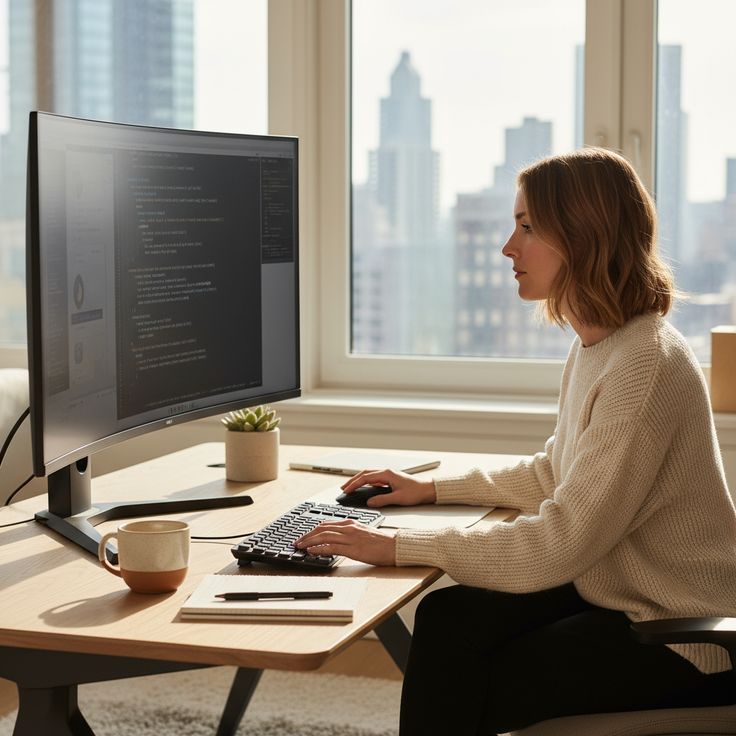
Our materials reference published workplace ergonomics standards and spatial design literature. We share options for consideration — not instructions for treating any physical condition.
Approximate figures reflecting educational program enrollment and information requests. These describe site engagement — not physical, health, or performance outcomes.
840+
Assessment guides downloaded
320
Layout reviews completed
18
Educational modules available
4.6
Optional reader feedback average (out of 5)
Ratings come from voluntary post-download surveys about content clarity. They are not verified third-party reviews and do not represent health or physical results.
In our workspace reviews, insufficient desk depth — not width — most frequently forces users to lean forward. A minimum of 24 inches of usable depth typically allows monitor placement at arm's length while keeping keyboards within comfortable reach.
Side-mounted windows often create uneven illumination. Diffused panel solutions may help limit frequent head angle changes during afternoon screen work.
Dedicated standing areas placed more than six steps from the primary desk see significantly lower usage. Proximity drives habit formation in workspace design.
Tangled cables restrict desk repositioning. Integrated cable trays and under-desk routing systems preserve layout flexibility — a factor often overlooked in posture discussions.
In our educational practice, we find that workspace changes often come before habit changes. When a desk is arranged to support a neutral working position by default, daily adjustments may require less conscious effort.
This is an editorial observation about workspace design — not a client testimonial, outcome claim, or health promise.
Start with our educational guides or reach out for a personalized layout review. General information only — tailored to your space. Fees, if any, are quoted before you commit.